Alephic / Writing
Dots, AI Costs, Figma Access, and the Trust Problem
Watch Alephic discuss OpenAI Dots, AI costs, Figma access, and public trust, with four takeaways and 17 timestamped chapter summaries.
In this article
AI is becoming the place where work starts. That changes what we need from assistants, how we judge their cost, and what we expect from the software they use.
In this week's Alephic conversation, James Gross, Noah Brier, and Sam discuss their first experiences with OpenAI Dots, the tradeoffs between models, and the friction that appears when an AI assistant needs access to another app. The conversation closes with a question that matters well beyond the technology: how do we help people see what AI can do for them?
What stood out
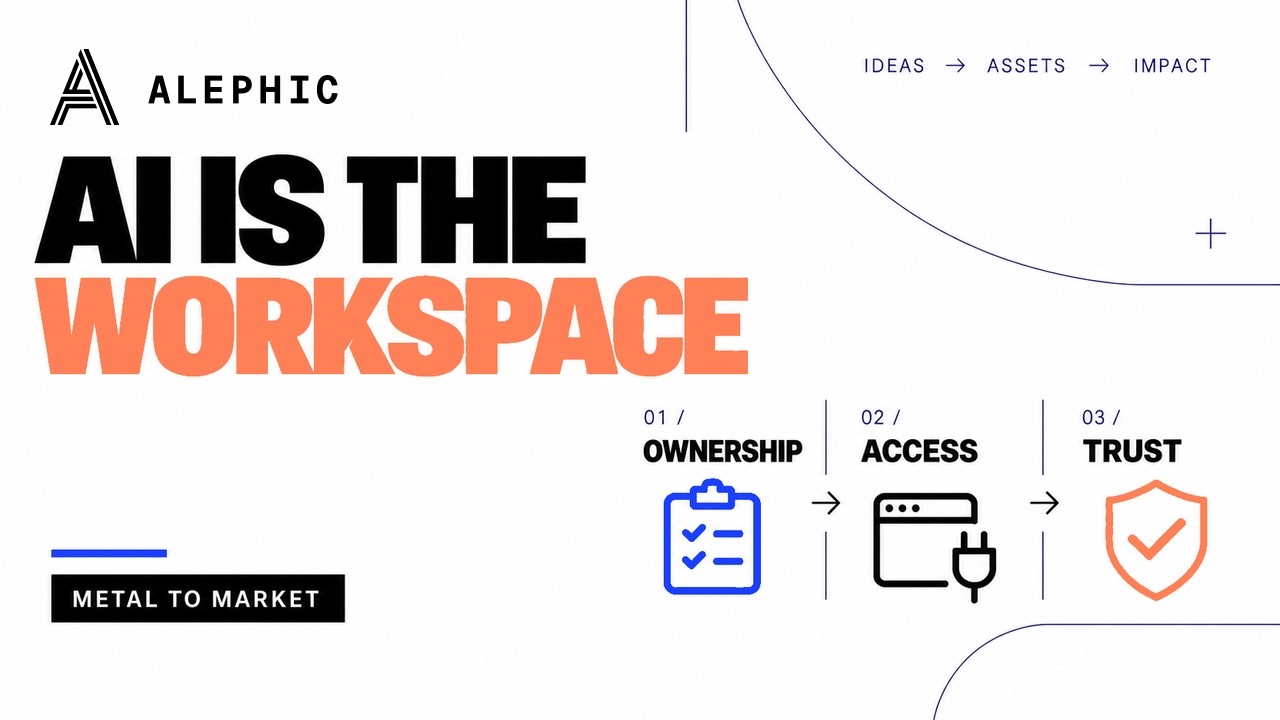
- Assistants need to own their tasks. As AI takes on work in the background, we need a clear view of what it is doing, what is finished, and where it needs our help. Noah's experiment with a custom task manager makes that problem concrete.
- Cost per completed task is a useful measure. A higher subscription bill can coexist with cheaper work. Noah shares a rough estimate that Alephic's cost per completed development ticket has fallen as the team combines different models.
- Access is becoming part of the product. The discussion around Figma's MCP access leads to a larger question: can customers use the software they pay for through the AI interface they prefer? James connects this to building software around a company's own ways of working.
- Trust starts with useful experiences. The group discusses the gap between daily AI use and public perceptions, and why helping someone save money or finish a real task may be a better introduction than another sweeping prediction.
Jump to a chapter
00:00 · Welcome back, James
James returns from Munich and the group sets up the week's conversation.
00:46 · Putting OpenAI Dots to work
Noah describes testing an always-on assistant on everyday tasks, including gathering insurance quotes.
02:44 · Who owns the AI's tasks?
A custom task manager separates the assistant's responsibilities from the work that needs human attention.
Written by
.png)