The most important person in an enterprise AI deal may not be the budget owner, user, technical reviewer, or internal champion. It is the Expert Buyer, whose domain expertise determines whether an AI system becomes differentiated or merely average.
When the Challenger shuttle broke apart in 1986, Richard Feynman was dying of cancer and had no interest in joining a presidential commission. A former student talked him into it. Within days, Feynman found himself sitting through carefully managed hearings where NASA officials spoke in probabilities and reassurances. The agency was adamant that the risk of failure was very high, one in every 100,000 flights. Feynman was skeptical of that number and it sparked a passion to find the answer.
What Feynman did next is what made him Feynman. He ignored the formal process entirely. Instead of waiting for testimony to trickle up through layers of management, he walked the halls and found the people who actually worked on the shuttle. He was looking for the engineers who poured over test data and who knew exactly where the system might have been fragile. They pointed him to the O-rings: rubber seals in the rocket boosters that stiffened in cold weather. The launch had happened on an unusually frigid Florida morning. The experts handed Feynman the diagnosis and the proof in one conversation.
On live television, Feynman dropped a piece of that O-ring rubber into a glass of ice water, pulled it out, and showed that it had lost all resilience. No spring-back. No seal. The invisible failure that killed seven astronauts, made visible in ten seconds with a hardware-store C-clamp and a cup of ice.
Feynman didn’t need a bigger committee or a longer review cycle. He needed the right experts, and the experts gave him everything: the problem, the cause, and the solution.
We think about this story a lot at Alephic because we see a version of it playing out in the enterprise AI every day. Organizations assemble the right committees of budget owners, technical reviewers, end users, and internal champions. And yet there is evidence that projects still underperform. As we have done more projects we are starting to see a common pattern for why these projects fail and it has a lot to do with the type of expert(s) that needs to be included from the beginning. In order to figure out what has shifted, I’d like to talk about how companies have traditionally sold into the enterprise.
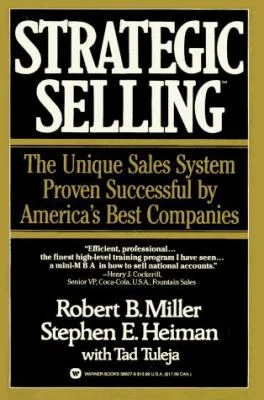
For forty years, enterprise sales teams have organized their world around a framework that Robert Miller and Stephen Heiman laid out in Strategic Selling. If you’ve spent any time in B2B sales, you know the four buying influences by heart: the Economic Buyer who controls the budget, the User Buyer who lives with the product every day, the Technical Buyer who evaluates specifications, and the Coach who advocates internally. It’s an elegant model that has been used to sell billions of dollars’ worth of software but in the age of AI, it’s missing the most important person in the room.
Alephic Writing
Ideas for building the AI-native enterprise.
New essays on AI, marketing, software, and the organizations being rebuilt around them.
We believe there’s a new buyer that the Miller Heiman framework never anticipated, one that matters more than any of the original four when it comes to building AI that actually works. We call this person the Expert Buyer.
A Quick Refresher on Miller Heiman
Strategic Selling first published in 1985
The Miller Heiman Strategic Selling methodology was built for an era when enterprises were buying products as defined, scoped, packageable things. Categories were defined by analysis and products fit neatly into their boxes: CRM, a marketing automation platform, an ERP system. The framework identifies four distinct buying influences that shape every enterprise deal, each with different motivations and different definitions of a “win.”
The Economic Buyer is the person with final approval authority. They can say yes when everyone else says no, and no when everyone else says yes. They care about the financial impact on the organization—ROI, budget allocation, strategic fit. In practice, this is often a C-suite executive or VP who controls the purse strings. Their question is: What’s the return on this investment?
The User Buyer is the person (or people) who will actually use the solution day-to-day. They care about whether it fits their workflow, whether it makes their job easier or harder, whether it solves the problem they feel in their bones every morning. A User Buyer’s judgment is personal and operational. Their question is: How will this affect my daily work?
The Technical Buyer screens out solutions that don’t meet predefined criteria. They evaluate security, compliance, integration requirements, and data architecture. They can’t give the final yes, but they can absolutely give a final no. Their question is: Does this meet the organization's requirements?
The Coach is your internal champion, has credibility within the organization, and actively supports your solution. They provide access to the other buyers, share intel on internal politics, and help you navigate the organizational maze. Their question is: How do I help this deal happen?
This framework works brilliantly when you’re selling a product that exists before the buyer shows up. A SaaS license. A piece of hardware. A platform. The product is the product. The sale is about matching a pre-built thing to the buyer’s needs.
But AI doesn’t work like that.
Why AI Broke the Framework
The SaaS era trained enterprises to think of technology purchases as licensing decisions. You evaluate, you compare, you negotiate terms, you implement. The vendor has the product pre-built and will ultimately map you to their existing solution, which hopefully looks similar to those used by the other enterprises they sell to. While any good enterprise platform is certainly highly configurable, the value is largely predetermined by the vendor’s R&D, and you’re buying the median output of their engineering team, designed for the median customer.
We’ve seen this play out across every engagement we’ve done at Alephic. At Amazon, the AI system that helped produce a Cannes Lions-winning campaign wasn’t successful because of ChatGPT or Claude; it worked because Amazon’s creative team, led by people like Mike Houston, brought decades of creative judgment to bear on what makes a customer review genuinely compelling and theatrical. The AI processed millions of reviews, but the expertise decided what “great” meant.
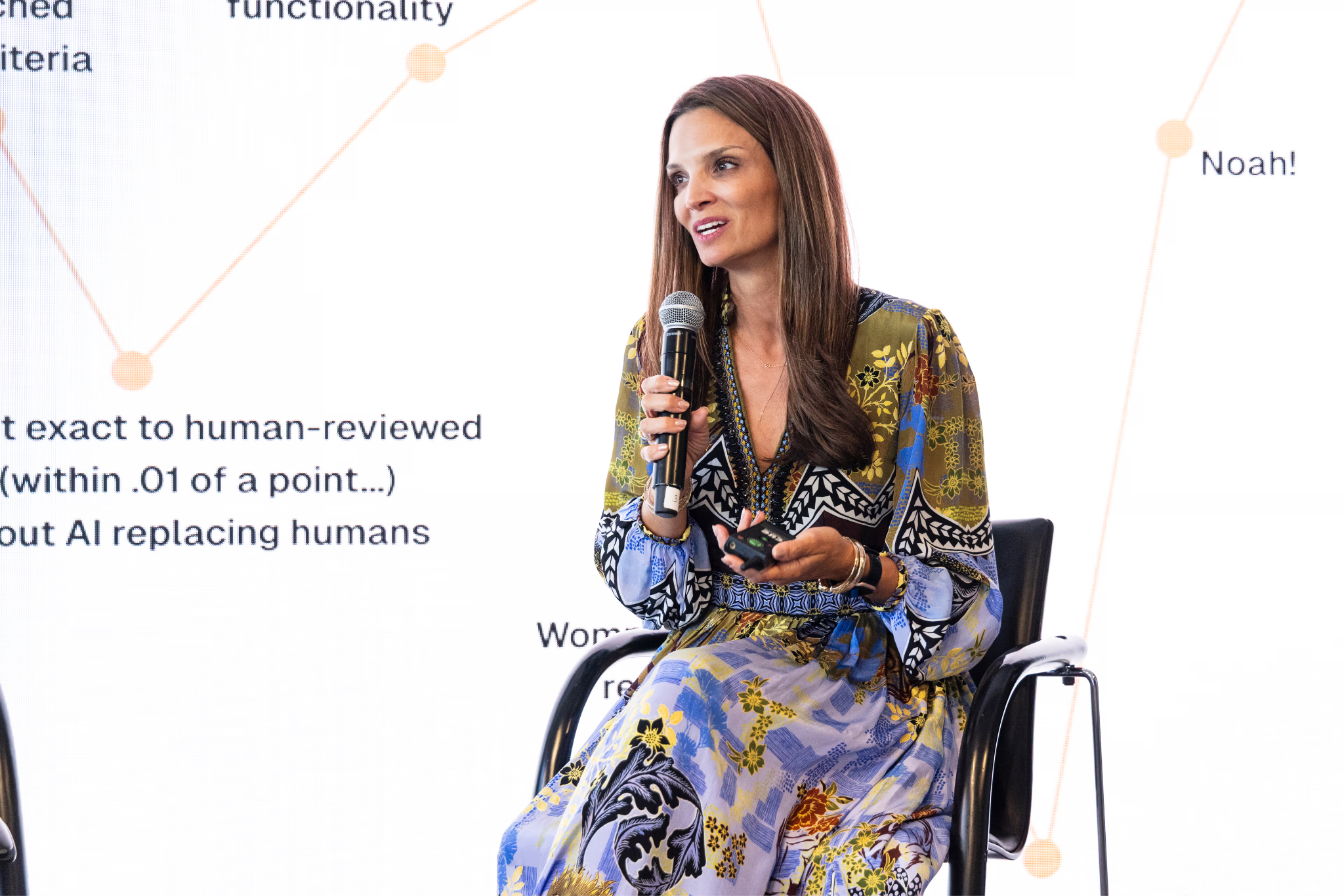
Erika Chambers of EY at our BRXND NYC Event
At EY, the Content Matrix system, which now analyzes 50,000+ articles across six global markets, didn’t become valuable because of its AI pipeline. It became valuable because EY’s marketing experts defined the scoring rubrics, buyer personas, and competitive frames, and refined them until they achieved the desired outcome.
In every case, the AI was an accelerator. The expertise was the differentiator.
Enter the Expert Buyer
Expertise makes the difference between regular and extraordinary
So who is this person? The Expert Buyer is the domain expert whose knowledge, judgment, and accumulated experience are the essential raw materials that make an AI system valuable. They are not buying software to use. They are not evaluating a budget line. They are not checking a compliance box. They are the person whose brain the AI system needs to learn from in order to produce anything better than average.
The Expert Buyer might be the executive creative director who knows what great advertising looks like. Or the content strategist who understands how to differentiate thought leadership in a crowded professional services market. Or the merchandising veteran who can look at a catalog page and tell you in three seconds whether it will sell. Or the competitive intelligence analyst who has pattern-matched industry moves for twenty years.
What makes the Expert Buyer fundamentally different from the User Buyer is this: the User Buyer evaluates whether a product fits their workflow. The Expert Buyer’s workflow is the product. Their knowledge isn’t a nice-to-have input, it’s the essential ingredient without which the AI system produces generic, undifferentiated output.
The Expert Buyer vs. The Traditional Four
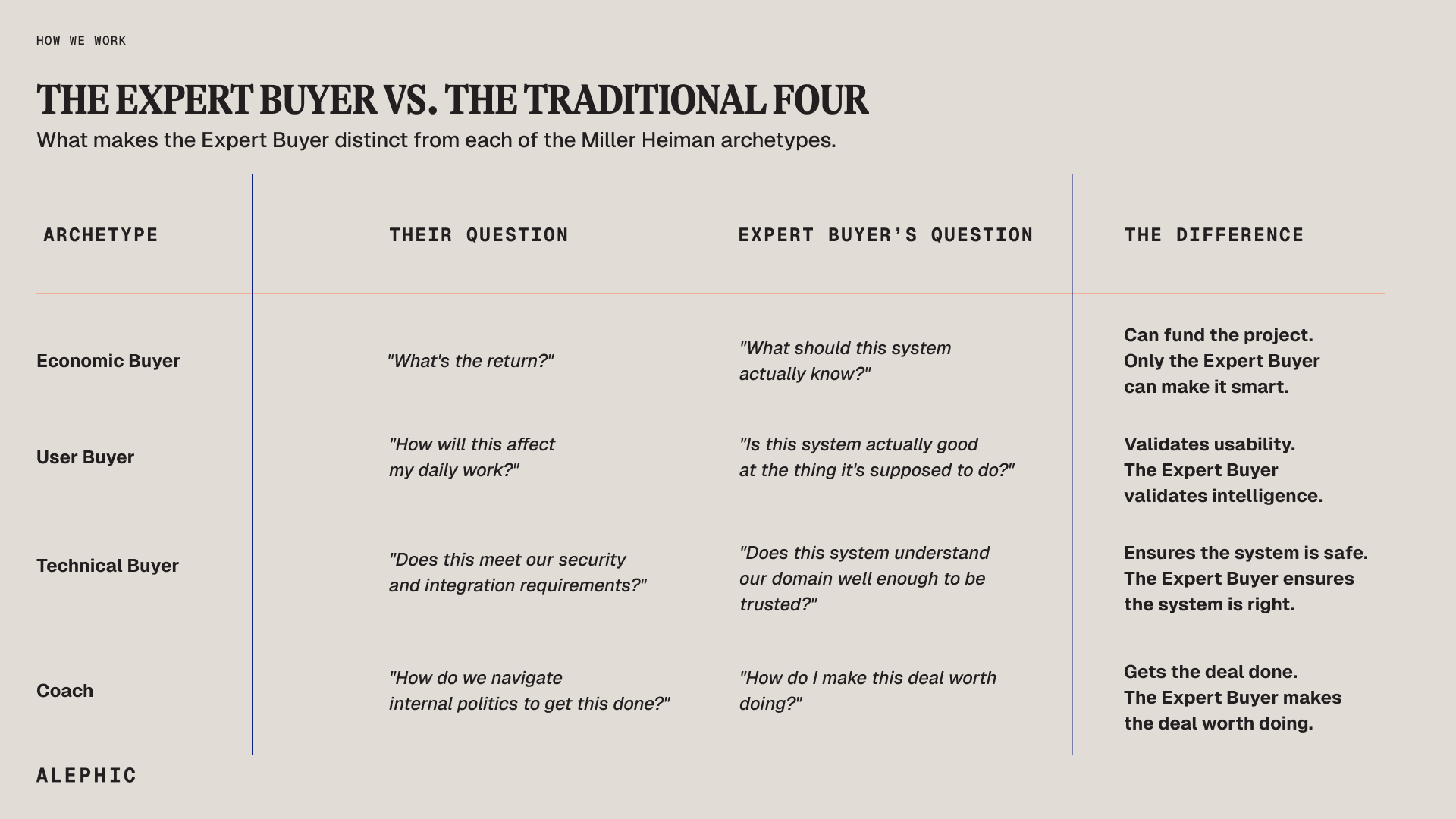
What makes the Expert Buyer distinct from each of the Miller Heiman archetypes.
Let’s be precise about what makes the Expert Buyer distinct from each of the Miller Heiman archetypes.
Expert Buyer vs. Economic Buyer. The Economic Buyer asks, “What’s the return?” The Expert Buyer asks, “What should this system actually know?” The Economic Buyer can approve a million-dollar AI investment. But without the Expert Buyer’s domain knowledge encoded into the system, that million dollars buys a very expensive chatbot that produces median output. We’ve seen projects get full budget approval from enthusiastic C-suite sponsors and still fail—not because of funding, but because no one with deep domain expertise was engaged in the build process. The Economic Buyer can fund the project. Only the Expert Buyer can make it smart.
Expert Buyer vs. User Buyer. The User Buyer asks, “How will this affect my daily work?” The Expert Buyer asks, “Is this system actually good at the thing it’s supposed to do?” A User Buyer might love the interface and find the workflow intuitive. But if the AI is producing mediocre content, missing competitive signals, or misunderstanding the nuances of the brand voice, the Expert Buyer is the one who catches it—and the one whose feedback makes the system better. The User Buyer validates usability. The Expert Buyer validates intelligence.
Expert Buyer vs. Technical Buyer. The Technical Buyer asks, “Does this meet our security and integration requirements?” The Expert Buyer asks, “Does this system understand our domain well enough to be trusted?” A Technical Buyer can ensure the data pipeline is encrypted and the API is compliant. But they can’t tell you whether the AI’s output actually reflects a deep understanding of your competitive landscape, your brand positioning, or your customers’ unspoken needs. The Technical Buyer ensures the system is safe. The Expert Buyer ensures the system is right.
Expert Buyer vs. Coach. The Coach helps navigate internal politics to get the deal done. The Expert Buyer, when properly engaged, becomes something far more powerful: they become the person who makes the deal worth doing. An Expert Buyer who’s bought into an AI project doesn’t just advocate for it; they pour their knowledge into it. They become the source of what we call “private tokens”, the proprietary data, tacit knowledge, unwritten rules, and accumulated judgment that transform a generic AI system into something that actually captures institutional intelligence.
Why Most AI Projects Fail Without One
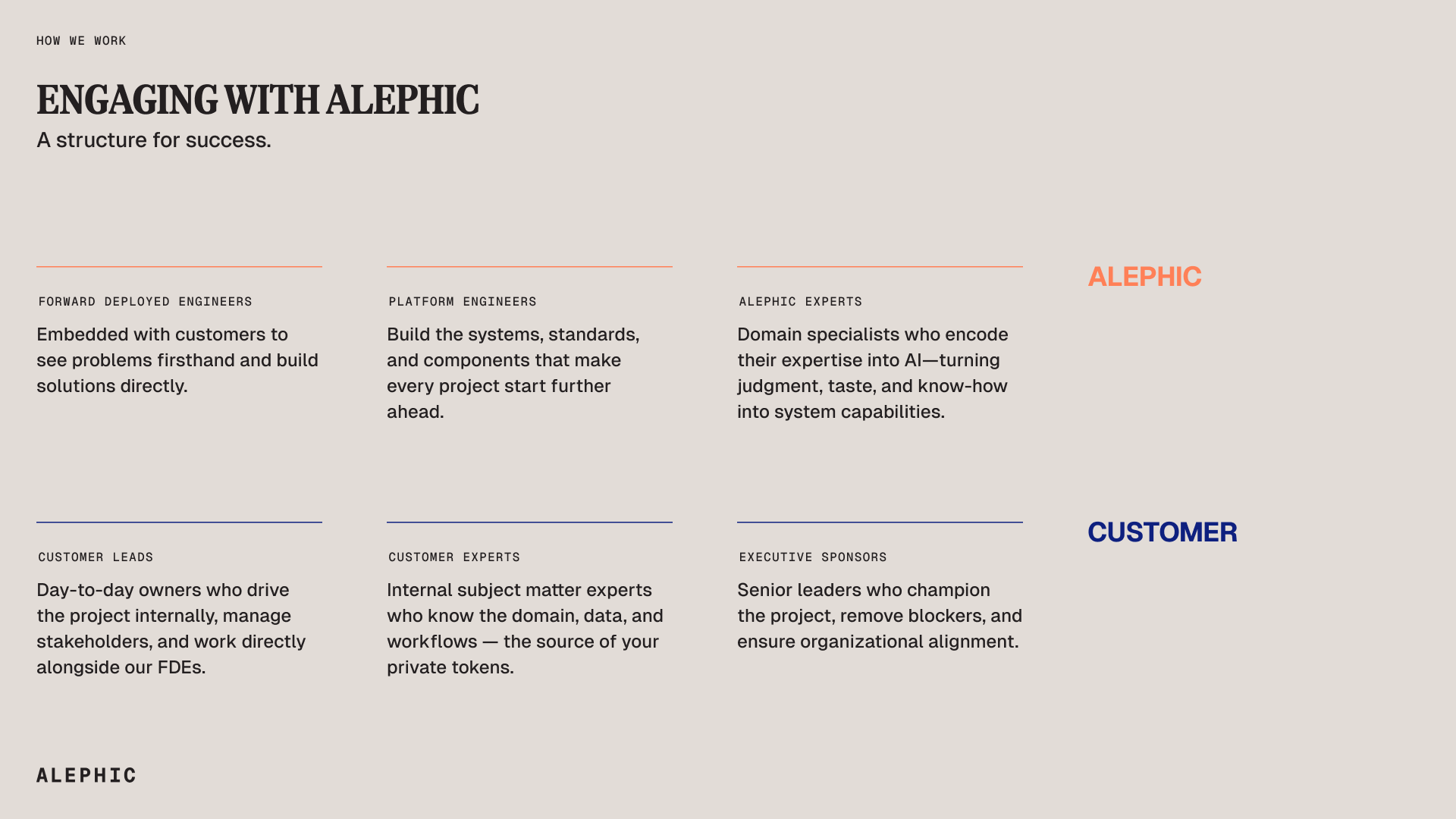
Alephic structure for success on projects
Here’s the uncomfortable truth: most enterprise AI projects that underperform do so not because of technical failure, but because of expertise failure. The model was fine. The code was fine. The infrastructure was fine. But nobody with deep domain knowledge was embedded in the build process, shaping what the system should know, evaluating whether its outputs met the bar, and iterating on the feedback loops that make AI systems get smarter over time.
This is what we mean at Alephic when we say “AI produces median output without expertise, and we never ship median work.” The models are incredible—they’re the most powerful reasoning engines humanity has ever built. But they are also, by definition, trained on the average of the internet. Median knowledge of median quality with median insight. The Expert Buyer is the person who takes that median baseline and drags it toward exceptional, because they know what exceptional looks like within their domain.
We’ve built our entire operating model around this insight. Our Forward Deployed Engineers embed directly with client teams specifically to find and work alongside the Expert Buyers. When that expertise doesn’t exist internally, we bring it in through our expert network. We never guess when we can learn from someone who knows.
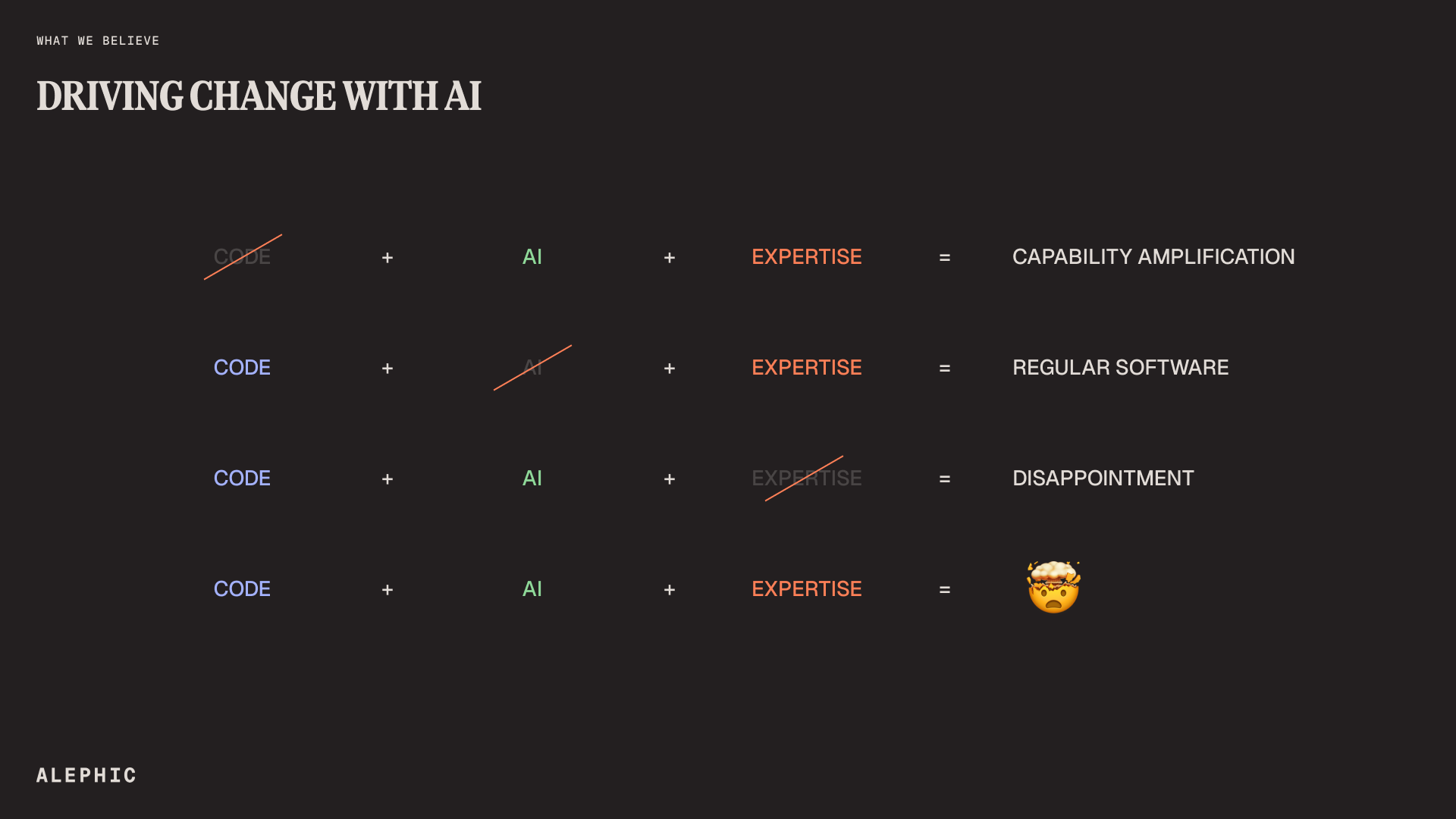
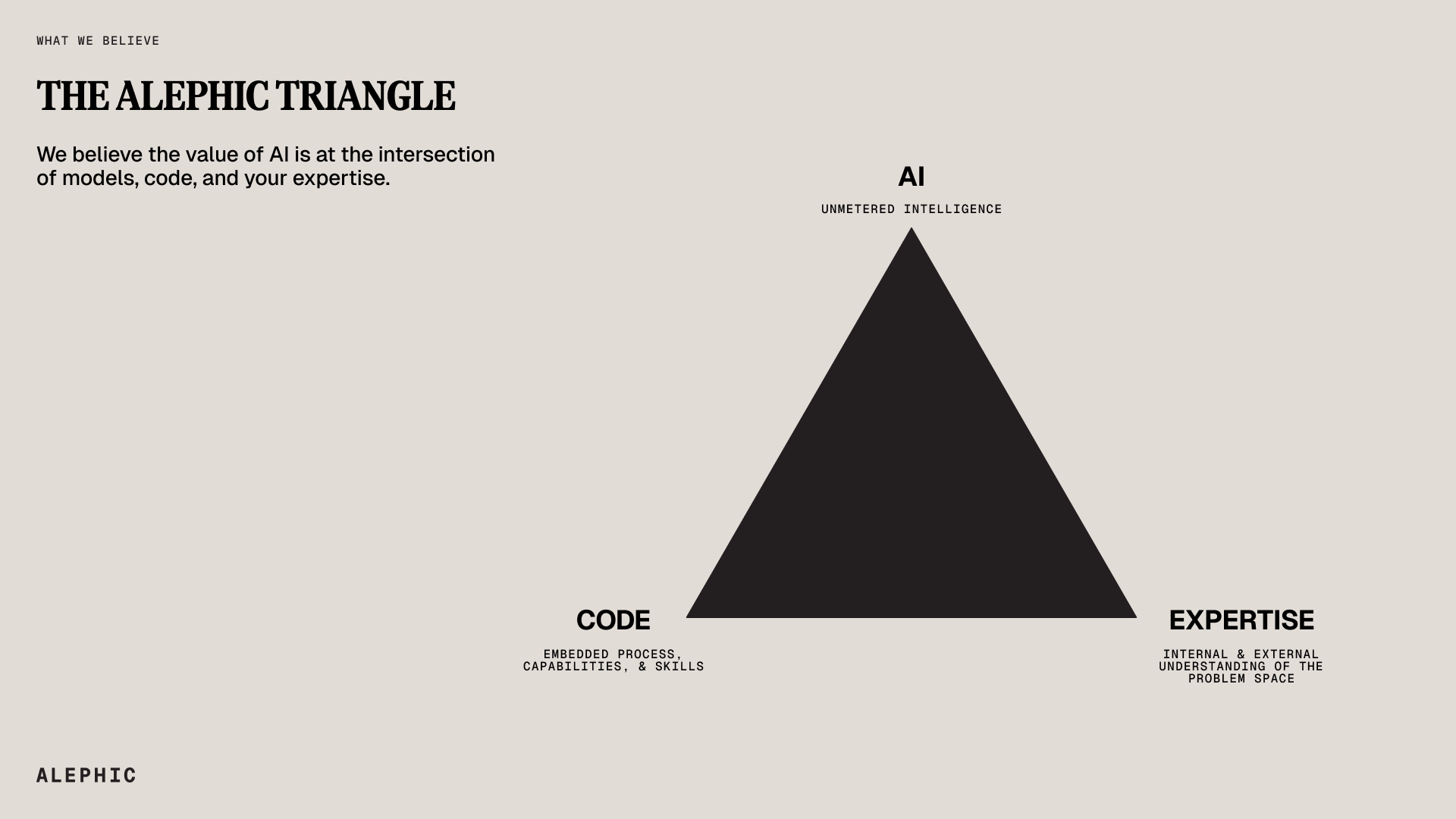
The Alephic Triangle: AI + Code + Human Expertise
This is also why our Triangle Model, AI + Code + Human Expertise, places expertise as a co-equal vertex alongside the technology itself. Neglect any vertex, and you get suboptimal outcomes. But in practice, the expertise vertex is the one most projects neglect, because it wasn’t part of the buying framework anyone was using, and it's often represented in the organization many levels below the economic and often even the user buyer.
What This Means for How We Sell (and Buy) AI
If you’re on the selling side of AI solutions, the Expert Buyer reframes your entire approach. Your discovery process shouldn’t just map Economic, User, and Technical Buyers. It should identify who in the organization holds the domain expertise that will make or break the project. Your champion strategy shouldn’t just find a Coach—it should find and engage the Expert Buyer early, because their enthusiasm will be driven not by politics but by the genuine excitement of seeing their lifelong expertise amplified by AI.
If you’re on the buying side, the implication is even more direct: don’t greenlight an AI project without identifying your Expert Buyers and committing their time to the build. This is the single highest-leverage investment you can make. Not more compute, or better models: the time and attention from the people who actually know your business and how to produce the outputs at the ground level.
What software craves is expertise. And in a world where every company has access to the same foundation models, the same cloud infrastructure, and the same developer tools, the only remaining source of differentiation is the knowledge that lives inside your organization, in the heads of the people who have spent years or decades mastering your specific domain.
The Expert Buyer is the keeper of that knowledge. And in the age of AI, they are the most important buyer in the room.



.png)